Every Savannah closing eventually funnels through the same question: where’s the termite letter? The lender wants it. The buyer’s agent is asking about it. The seller thought the bond from three years ago covered it. And the closing date is Friday. Here is what the paperwork actually is, what it isn’t, and how to keep it from being the thing that delays the move.
What a WDO letter actually is
A Wood-Destroying Organism report is a one-time, point-in-time inspection document. A licensed inspector walks the accessible, visible areas of the structure — crawlspace, basement, attic, garage, exterior — and records any evidence of termites, powder-post beetles, wood-boring beetles, and wood-decay fungi, past or present. It answers one question: on the day we looked, what did we see? It is not a warranty, not a treatment, and not a promise about next year.
The bond is a different document
A termite bond is a service agreement between a homeowner and a pest company — typically an annual inspection plus retreatment (and on better bonds, repair coverage) if termites show up. Lenders usually require the letter; the bond is the homeowner’s protection. The confusion we see every month: a seller has an active bond and assumes that satisfies the lender. It doesn’t — the lender wants the inspection letter, and the clock on it is short.
The timeline that works
Most lenders treat a WDO letter as stale after about 30 days, and some want it fresher. Book the inspection when the contract is signed — not the week of closing. In the Savannah market, inspection slots fill fast in spring and early summer when listings move. If the letter comes back clean, you’re done and it’s valid through closing. If it finds activity, you want weeks of runway, not days: treatment, a follow-up, and a clearance letter all take calendar time.
What we find in Savannah houses
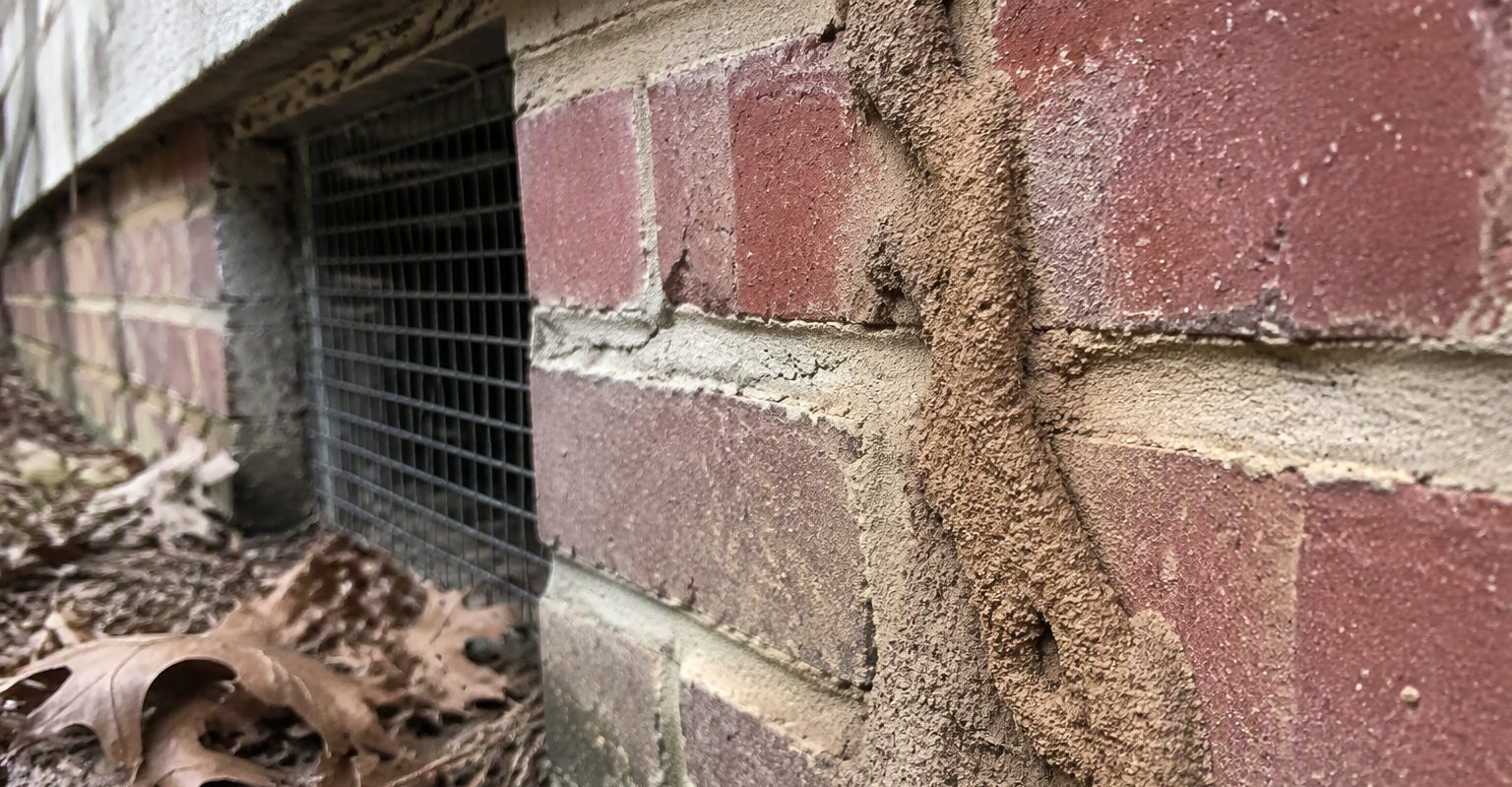
Coastal Georgia is termite country year-round — the soil never really freezes and the humidity never really leaves. The usual suspects here: mud tubes on brick piers in older crawlspaces, swarmer wings on interior windowsills in spring, and moisture-damaged trim that invites wood-decay findings. Raised foundations in the historic district and mid-century slabs on the southside each have their own patterns. None of it is automatically a deal-killer — most findings treat in a day — but all of it is easier with time on the calendar.
If the letter finds something
Active findings trigger a simple sequence: treatment proposal, treatment, documentation, clearance letter. Who pays is a negotiation between buyer and seller — the contract decides, not the pest company. What matters practically is speed: the sooner treatment happens after the finding, the sooner the clearance letter exists, and the closing stays on the rails.
Buying or selling in the Coastal Empire? Book the WDO inspection the week the ink dries on the contract. It’s a small cost that prevents the most avoidable delay in Savannah real estate.