The scratching starts in the walls around midnight, usually in the first cool week of fall. If you own one of Savannah’s beautiful old houses — the raised basements, the pier foundations, the 120-year-old heart pine — you already know the sound. Here’s the truth most companies won’t lead with: trapping alone never ends it. The house is the problem, and the house is what has to be fixed.
Why old houses leak rodents
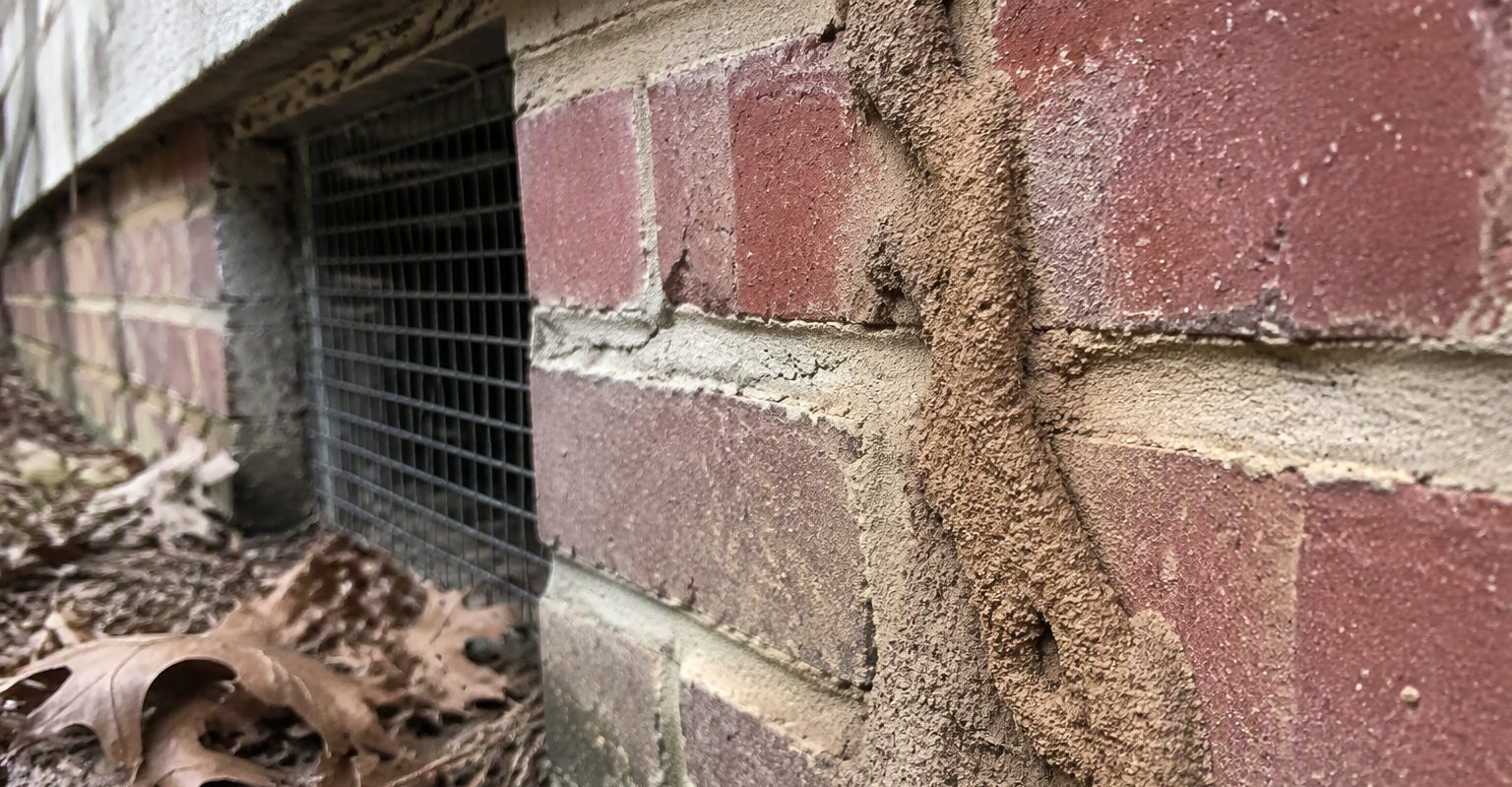
Nineteenth-century construction was never sealed in the modern sense. Pier foundations breathe by design. Mortar settles and shrinks for a century. Additions meet original structures at seams that open and close with the seasons. Utility penetrations — plumbing, gas, and cable lines — were cut generously and sealed casually, if at all. A roof rat needs a gap the size of a quarter; a mouse needs a pencil-width. A historic district house offers hundreds of both.
The exclusion-first doctrine
The sequence matters: trap what’s already inside, then seal every entry point so the next one stays out. Do it backwards and you’ve sealed live rodents into your walls. Skip the sealing and you’ve signed up for a trapping subscription that never ends — the yard, the live oaks, and the neighbor’s ivy will always supply replacements.
What a real inspection covers
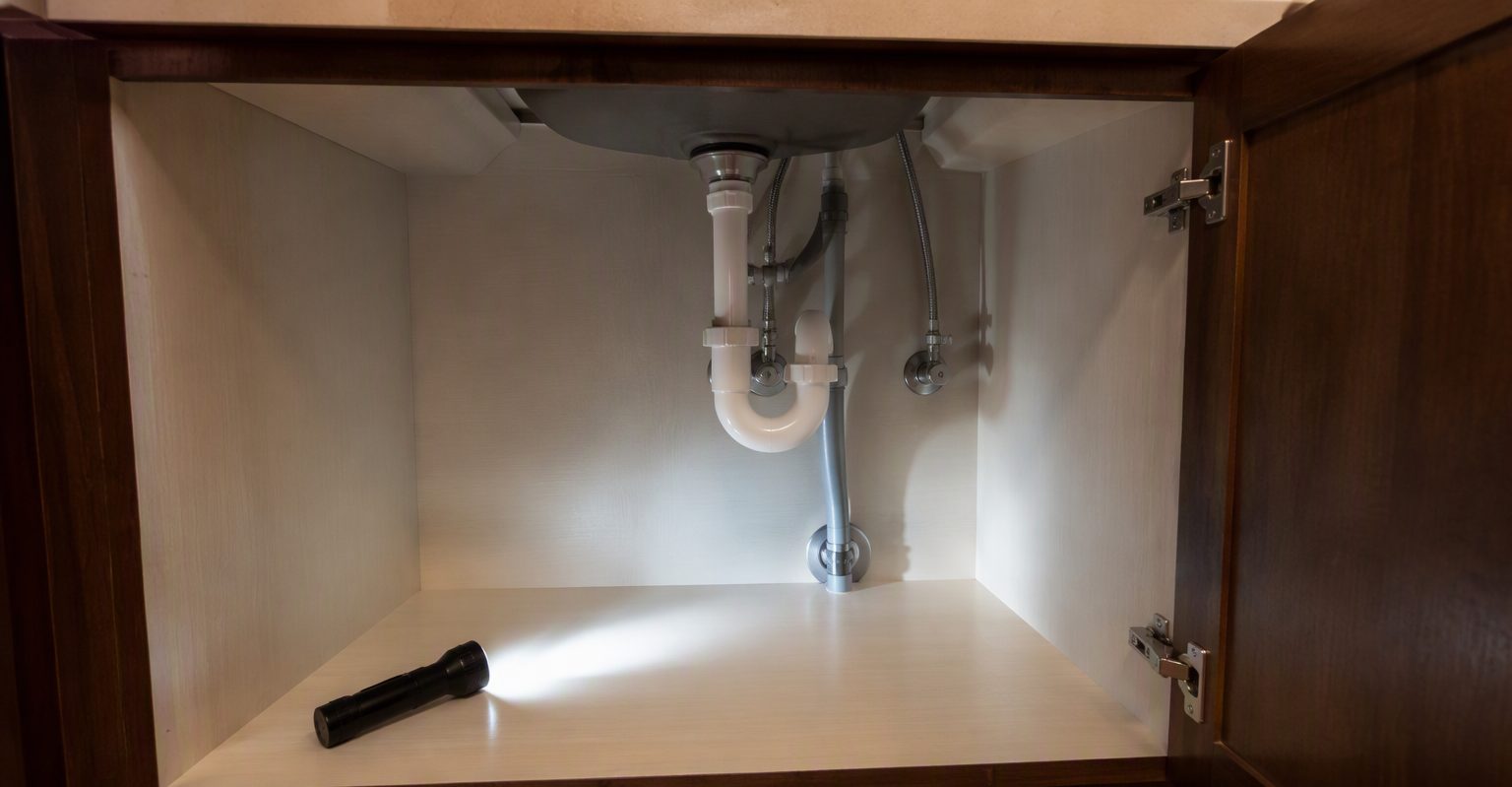
Attic to crawlspace, top to bottom: the roofline where dormers meet the main roof, every soffit return, gable vents, the gap behind gutters, where AC linesets and plumbing enter, crawlspace vents, door sweeps, and the seam where the addition meets the original brick. Every gap gets measured, photographed, and mapped. You get the map — it’s your house, you should see what we see.
Materials that last in coastal air
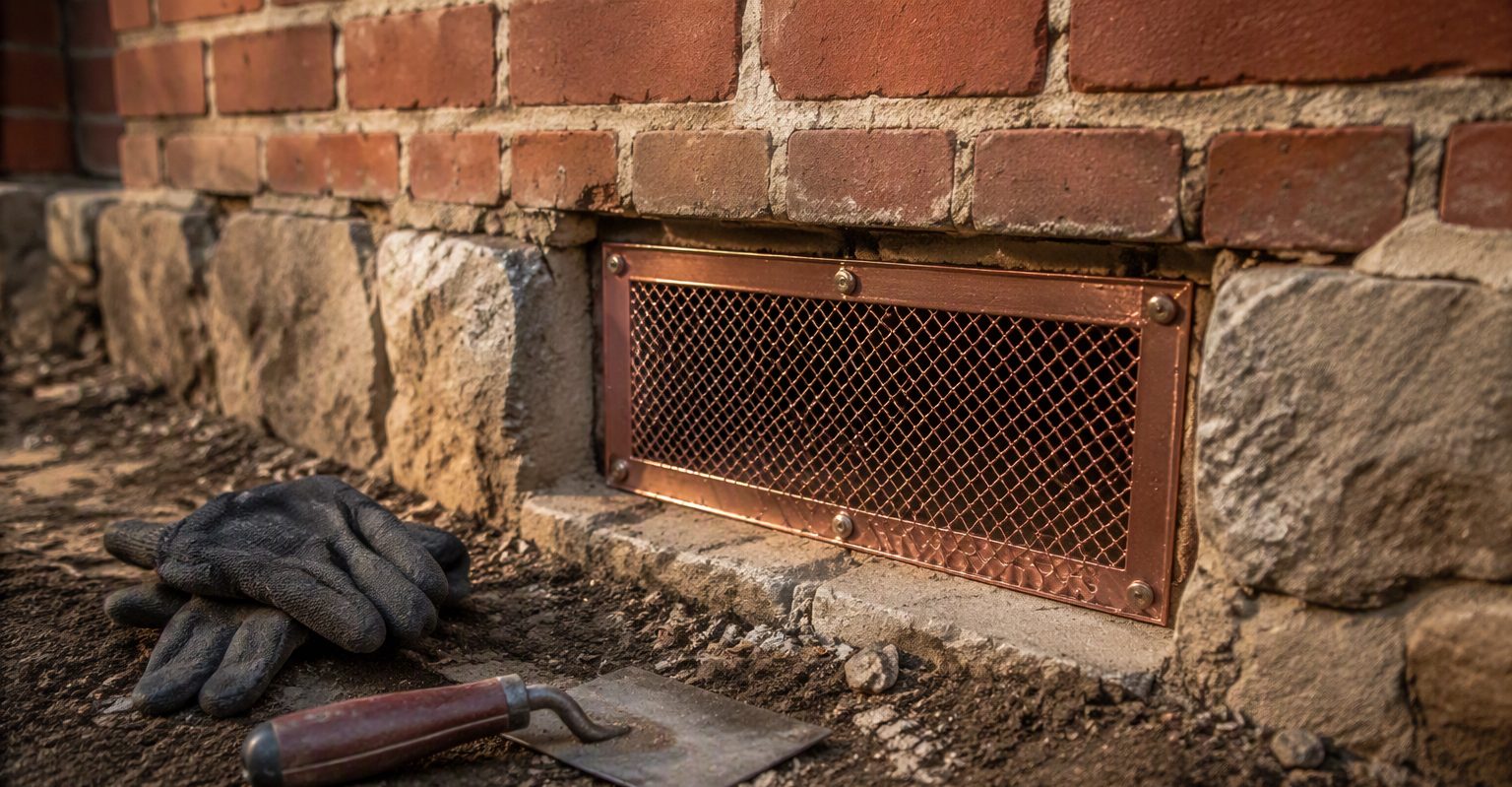
Steel wool is the classic handyman fix, and on the coast it’s the wrong one — it rusts out in a season or two and leaves a rust stain down the brick. We pack gaps with copper mesh, which rodents won’t chew and salt air won’t kill, then back it with sealant. Larger openings get hardware cloth or metal flashing, fastened — not foamed. Foam alone is a plug a motivated rat removes in a night; it’s a filler, never a barrier.
The party-wall reality
Row houses share walls, and rodents travel the shared voids like hallways. Sealing your unit stops what enters from your envelope — which is most of it — but if a connected neighbor has an active infestation, the pressure never fully drops. Part of our report is honest advice about where your envelope ends and the neighbor’s begins, and what’s worth a conversation over the fence.
The timeline
Day one: full inspection, interior traps set, entry map drawn. Week one to two: exclusion work — most homes take one to two days of sealing. Follow-up: trap checks until the interior goes quiet, then a final walkthrough. From first visit to sealed house is typically two to three weeks — and then it’s done, not subscribed.
An old house will never be a sealed box, and it shouldn’t be. But the gap between “breathes” and “open door” is about a quarter of an inch — and closing it is a one-time job done right.